The Importance of Steel Foundries: A Comprehensive Overview of Their Influence on Manufacturing
Metal foundries are essential to the manufacturing landscape. They change basic materials right into parts that offer diverse industries, from automobile to aerospace. Their proficiency in alloy formula and spreading methods assures the manufacturing of durable parts. Nonetheless, the industry deals with obstacles that can improve its future. Comprehending these characteristics reveals the real value of foundries in financial and technical contexts. What lies ahead for this crucial industry?
The Role of Metal Shops in the Production Process
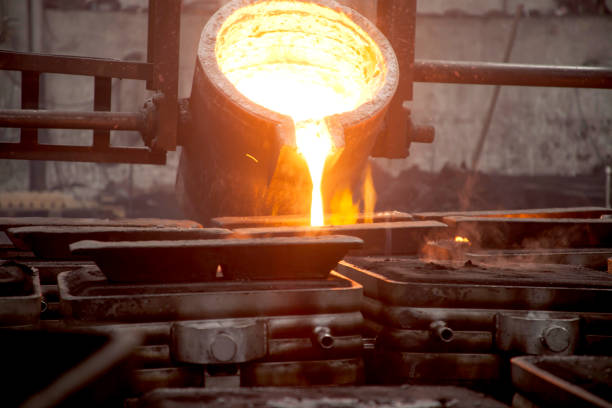
Typically neglected, steel factories play a vital function in the production procedure by changing raw metals into usable components. These facilities focus on melting numerous metals, such as iron, light weight aluminum, and bronze, and pouring them right into molds to develop parts for varied sectors. The process starts with the mindful option of raw products, guaranteeing that only the best steels are utilized. Once melted, the metal tackles the form of the mold, strengthening into parts that satisfy particular style and performance criteria.
Steel shops add substantially to industries like automotive, aerospace, and building by providing essential parts such as engine blocks, equipments, and structural assistances. Their knowledge in alloy formulation and casting methods makes it possible for producers to produce intricate designs while keeping toughness and longevity. Metal shops not just facilitate the creation of important parts however also improve the overall effectiveness and functionality of modern manufacturing.
Enhancing Manufacturing Efficiency Through Advanced Techniques
Steel factories are progressively embracing advanced strategies to enhance manufacturing effectiveness and satisfy the growing needs of various markets. The application of automation and robotics has streamlined procedures, decreasing hand-operated labor and increasing precision in steel casting operations. In addition, the assimilation of computer-aided design (CAD) and simulation software program permits much better preparation and optimization of production process, decreasing waste and lowering preparations.
Lean manufacturing concepts are additionally being used to enhance and remove inadequacies resource usage. Foundries are currently concentrating on energy-efficient methods, such as utilizing waste heat recovery systems, which better add to cost financial savings and environmental sustainability. By embracing these innovative techniques, steel factories are not just improving their operational performance yet also enhancing item quality, causing better consumer fulfillment. As sectors proceed to progress, the capacity of foundries to adjust to these developments will be important for keeping competitiveness out there.
Advancements in Metal Spreading Innovation
As the need for accuracy and effectiveness in making grows, developments in steel spreading innovation are changing the sector landscape. Improvements such as 3D printing and computer-aided layout (CAD) are enabling factories to produce complex geometries with greater accuracy and rate. These strategies minimize material waste and reduce preparations, cultivating a more lasting manufacturing procedure.

Smart factory innovations, including the Web of Points (IoT), help with real-time surveillance and information analysis, maximizing production performance and minimizing downtime. Collectively, these developments are not just enhancing the abilities of metal factories yet likewise establishing the phase for the future of production, identified by increased dexterity and responsiveness to market needs.
The Economic Impact of Metal Factories on Neighborhood and Worldwide Markets
Metal foundries play an important function fit economic landscapes, both in your area and around the world. They generate substantial task creation opportunities and add to export and trade, bolstering general economic development. In addition, factories support local business communities, promoting interdependent connections that improve community resilience.
Work Creation Opportunities
Task development in the steel foundry industry substantially affects both local and international economic situations. These facilities offer many job opportunity throughout various ability levels, from knowledgeable labor to engineering and administration settings. The need for metal elements in industries such as auto, aerospace, and construction drives the demand for a robust labor force. As steel shops expand, they boost added job development in supplementary fields, consisting of transportation, logistics, and supply chain administration. Additionally, the financial security given by factory work adds to regional communities with raised spending and financial investment in framework. In general, the steel foundry sector's capability to develop work not just enhances specific incomes but additionally bolsters regional growth and strength, showcasing its vital function in financial development.
Export and Profession Contributions
A significant section of the financial effect generated by shops stems from their contributions to export and trade. Metal shops play an important role in supplying components for numerous markets, including automobile, aerospace, and building, thus boosting a country's export abilities. By creating top quality castings and parts, foundries make it possible for neighborhood economies to complete on an international scale. The export of these products not just boosts earnings but likewise promotes global collaborations and profession arrangements. In addition, foundries add to a positive trade equilibrium, which is crucial for financial security. The export activities of metal foundries boost advancement and investment, eventually reinforcing their relevance in both global and regional markets, driving growth and financial durability.
Citizen Organization Support Equipments
While neighborhood economic climates usually profit from the presence of steel shops, their effect prolongs beyond plain job development. These centers add significantly to local business assistance systems by cultivating a network of vendors, solution suppliers, and supplementary markets. This interconnected community enhances economic strength, allowing smaller sized organizations to flourish alongside larger foundries. In addition, metal foundries commonly participate in neighborhood campaigns, spending in neighborhood infrastructure and education and learning, which better promotes economic development. On a more comprehensive scale, the visibility of factories can attract financial investment and talent, enhancing the region's affordable benefit in global markets. Inevitably, the economic contributions of metal foundries see here not only develop straight employment however likewise cultivate a supportive atmosphere for varied regional ventures.
Obstacles Dealing With Steel Foundries in the Modern Period
As the steel foundry market evolves, it faces numerous difficulties that read this intimidate its sustainability and competition. One significant issue is the enhancing expense of raw materials, which directly impacts production costs. International supply chain disturbances further intensify this trouble, making it tough for shops to keep constant procedures. Furthermore, labor lacks present a significant obstacle, as experienced employees end up being limited in a swiftly transforming technological landscape.
Metal shops should compete with rigorous environmental guidelines that require greater conformity costs and investment in cleaner technologies. This change requires factories to adapt swiftly, commonly stressing funds.
Finally, competitors from automated production processes and overseas production includes pressure, requiring local foundries to risk or innovate obsolescence. Resolving these challenges is essential for the sector to thrive in a increasingly intricate and affordable market setting.
Sustainability Practices in Metal Founding
In reaction to the challenges faced by the industry, steel factories are significantly taking on sustainability techniques to improve their operational efficiency and environmental duty. These methods include the execution of energy-efficient technologies, such as electrical induction heaters, which minimize power intake and greenhouse gas emissions. Furthermore, numerous shops are concentrating on recycling scrap metal, reducing waste, and utilizing eco-friendly products to minimize their environmental impact.
Water conservation measures are additionally being prioritized, with systems developed to reuse process water, thus lowering freshwater use. In addition, foundries are purchasing worker training programs to promote lasting techniques among workers, promoting a culture of environmental awareness.
Future Fads in the Steel Factory Market
Moving and arising technologies market demands are positioned to reshape the steel shop sector in find out this here the coming years. Increasing automation, driven by advancements in robotics and expert system, is expected to boost manufacturing performance and reduce labor prices. Aluminum Foundry. In addition, additive manufacturing methods, such as 3D printing, are acquiring traction, enabling more complex and personalized steel parts with lowered waste
Sustainability will additionally play a vital role, with shops taking on greener techniques to lessen their environmental influence. The market is most likely to see a surge in making use of recycled materials as raw inputs, aligning with worldwide sustainability objectives.
The need for light-weight and high-performance alloys, especially in the aerospace and automotive fields, is expected to increase. This evolution will necessitate recurring financial investment in research and growth, allowing metal factories to prosper and adjust in a competitive landscape. Overall, these trends are set to redefine the operational landscape of steel foundries.
Often Asked Questions
What Kinds of Metals Are Frequently Used in Factories?
Usual metals made use of in foundries include iron, copper, light weight aluminum, and zinc. These products are preferred for their distinct properties, making it possible for diverse applications in markets such as vehicle, aerospace, and building, contributing significantly to manufacturing procedures.
How Do Metal Factories Guarantee Item High Quality and Consistency?
Metal shops ensure item quality and uniformity through rigorous top quality control procedures, consisting of exact temperature level regulation, material screening, and adherence to sector requirements. Routine inspections and experienced craftsmanship even more improve dependability and harmony in manufacturing procedures.
What Precaution Are Applied in Metal Shops?
Metal foundries implement safety and security steps such as individual protective equipment, air flow systems, normal safety and security training, and strict adherence to safety and security methods to decrease risks. These techniques intend to protect workers and keep a secure workplace.
What Are the Career Opportunities in the Steel Factory Industry?
Profession opportunities in the steel shop sector include duties such as foundry workers, quality assurance assessors, engineers, device operators, and management placements. These functions demand various skills, offering pathways for development and field of expertise within the field.
Just How Do Factories Manage Waste and Recycling of Materials?
Shops manage waste and recycling via procedures like reclaiming sand, melting scrap steel, and making use of by-products for energy. These methods decrease environmental impact while advertising sustainability within the steel casting market and boosting resource performance.
Commonly forgotten, steel shops play a vital duty in the production procedure by changing raw steels right into functional components. Steel foundries are increasingly adopting sophisticated techniques to enhance manufacturing effectiveness and satisfy the growing needs of different markets. Steel foundries play a crucial duty in providing components for different markets, consisting of vehicle, aerospace, and building, consequently enhancing a country's export capacities. In action to the challenges faced by the market, steel foundries are significantly embracing sustainability methods to boost their operational performance and ecological responsibility. Aluminum Casting. Career possibilities in the steel foundry market include roles such as factory employees, quality control examiners, engineers, maker drivers, and monitoring positions